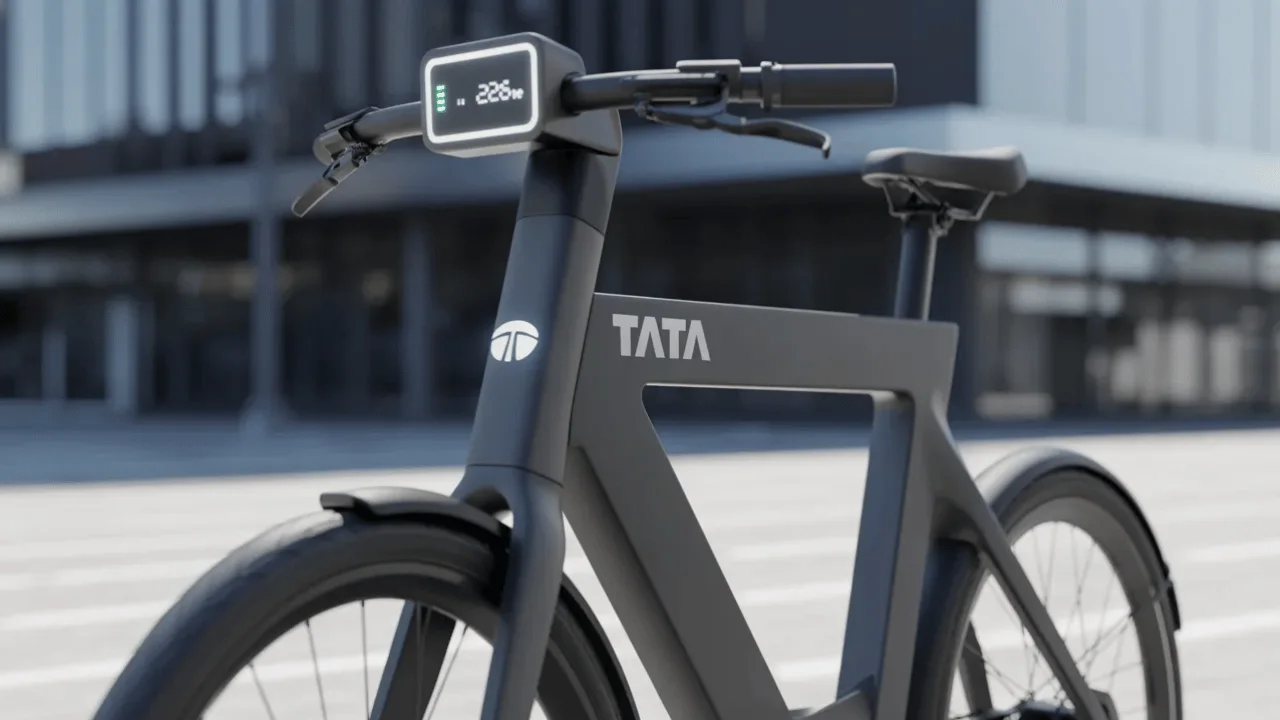
Rumors around a possible Tata Urban Electric Cycle 2026 have started gaining attention across India’s urban mobility space. While there has been no official confirmation yet, growing discussions about a long-range electric cycle backed by Tata have triggered curiosity among daily commuters, students, and eco-conscious riders.
The interest is mainly driven by claims of a 130 km riding range and flexible ₹1,999 EMI options, figures that stand out in the electric cycle segment if they materialize. As Indian cities continue to deal with rising fuel costs and congestion, electric cycles are slowly moving from niche products to practical alternatives for short-distance travel.
Why the Tata Urban Electric Cycle Is Being Talked About
Electric cycles have been present in India for a few years, but adoption has remained limited due to concerns around range, durability, and after-sales support. The Tata name entering this category, even as a rumor, has changed the tone of the conversation.
Industry watchers believe that Tata’s possible interest in an urban electric cycle aligns with its broader focus on sustainable mobility. Electric cycles fit well between traditional bicycles and electric scooters, especially for users who want pedal assistance without full dependence on motors.
The reported 130 km range is the main reason these rumors are drawing attention. Current electric cycles in India usually offer real-world ranges between 40 km and 80 km. If a higher range is achieved through efficient pedal-assist technology rather than a larger battery, it could mark a meaningful shift in how these vehicles are perceived.
Understanding the 130 km Range Claim
It is important to note that the claimed range is expected to be based on pedal-assist mode, not full electric throttle usage. In pedal-assist systems, the motor supports the rider only when pedaling, which significantly improves efficiency.
Experts point out that such range figures are often calculated under controlled conditions, such as flat terrain, moderate speed, and ideal rider weight. In real city usage, the actual distance covered may vary depending on road conditions, traffic, and riding style. Still, even a lower real-world figure would place the cycle competitively within the segment.
EMI Affordability and Urban Appeal
Another talking point is the ₹1,999 EMI figure, which suggests an attempt to keep ownership accessible. For many urban users, especially students and first-job professionals, upfront cost is a key barrier.
If structured carefully through financing partners, such EMIs could make electric cycles more approachable than entry-level electric scooters. This affordability angle is particularly relevant in cities where daily travel distances are short but recurring fuel or transport costs add up over time.
Who This Electric Cycle Could Be For
If launched, the Tata Urban Electric Cycle would likely appeal to city commuters who travel within 5–15 km daily. Office goers, college students, and delivery workers in controlled zones could find it practical.
Electric cycles are also gaining attention among health-conscious users who want light physical activity without the strain of traditional cycling. The blend of assisted pedaling and manual control suits India’s mixed traffic conditions.
Position in India’s Growing EV Ecosystem
India’s electric mobility discussion often focuses on cars and scooters, but electric cycles quietly occupy an important space. They require less charging infrastructure, have lower environmental impact, and are easier to maintain.
If Tata enters this segment, it could bring higher trust, better service networks, and stronger quality benchmarks. This may also push existing manufacturers to improve their offerings, which would benefit consumers overall.
What Remains Unclear So Far
As of now, there is no official launch date, specification sheet, or confirmation from Tata. Details around battery type, charging time, weight, and warranty remain unknown.
Until an announcement is made, these discussions remain speculative. Still, the interest reflects a growing demand for affordable and efficient last-mile mobility options in India.
FAQs
No. As of now, it is based on industry discussions and online speculation. There is no official confirmation.
The range is likely estimated under pedal-assist conditions. Actual range may vary depending on usage, terrain, and rider behavior.
EMI availability usually depends on financing partners, tenure, and buyer eligibility. Exact details are not confirmed.
Electric cycles use pedal-assist and are lighter, while scooters rely fully on electric motors and require licensing in some cases.
Clear details will only emerge if Tata makes an official announcement or filing related to the product.