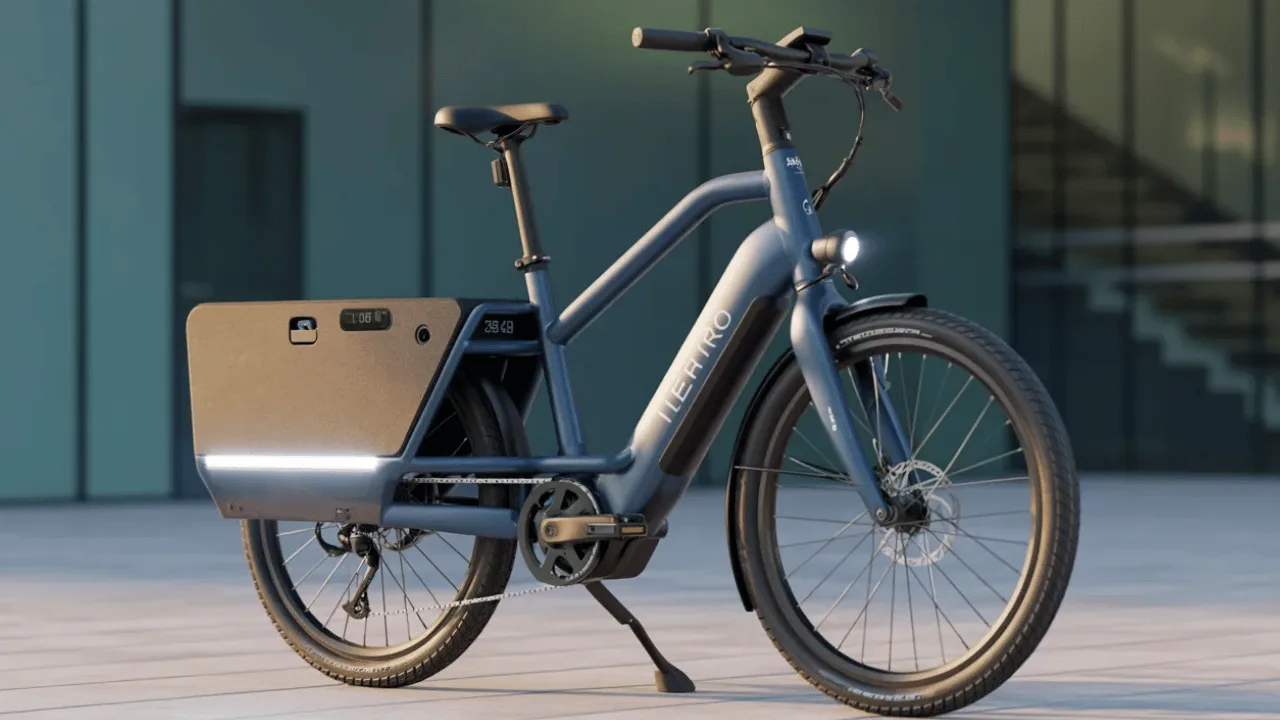
The Indian electric mobility space continues to expand beyond cars and scooters. In 2026, electric cycles designed for commercial use are gaining attention, especially among small shop owners, delivery partners, and local vendors. One such name that has started appearing frequently in searches is the Hero Lectro Cargo Electric Cycle 2026.
Designed to meet the daily transport needs of small businesses, this cargo-focused electric cycle is being discussed for its strong frame, extended riding range, and flexible payment options. While electric scooters still dominate headlines, electric cargo cycles are quietly becoming practical tools for short-distance logistics in Indian cities and towns.
Built for Daily Work, Not Just Personal Use
Unlike regular electric bicycles meant for casual riding, the Hero Lectro Cargo Electric Cycle 2026 is being positioned as a work-oriented vehicle. Its reinforced metal frame is designed to handle additional load, making it suitable for carrying parcels, grocery supplies, tools, or water cans.
Small businesses such as kirana stores, pharmacies, flower sellers, and service technicians often require affordable transport for nearby deliveries. Traditional fuel-based vehicles increase operating costs, while manual cycles demand more physical effort. This is where cargo electric cycles are finding relevance.
The sturdy build is one of the key talking points, especially for users who operate daily on uneven roads or crowded market lanes.
110 km Claimed Range Addresses Range Anxiety
One of the most discussed aspects of the Hero Lectro Cargo Electric Cycle 2026 is its claimed riding range of up to 110 km on a single charge. For urban and semi-urban delivery routes, this range is seen as sufficient for a full working day.
While real-world range can vary depending on load, road conditions, and riding mode, the emphasis on longer distance capability indicates a shift toward practical commercial use rather than recreational cycling.
Charging infrastructure is also less of a concern with electric cycles, as they can typically be charged using a standard household socket, which suits small business owners operating from home or shops.
EMI Option Brings Accessibility for Small Entrepreneurs
The mention of an EMI option starting around ₹1,799 per month has generated interest, especially among first-time electric vehicle users. For many small traders and self-employed workers, upfront investment is often the biggest barrier to adopting new technology.
Monthly payment options reduce the financial pressure and allow users to gradually transition to electric mobility without disrupting cash flow. This approach aligns with the broader trend of making electric transport more accessible across income groups.
However, final EMI figures can vary based on tenure, down payment, and local financing partners.
Electric Cycles Gain Momentum in India’s Last-Mile Economy
India’s last-mile delivery ecosystem is expanding rapidly due to e-commerce growth, food delivery services, and hyperlocal businesses. Electric cargo cycles are increasingly being viewed as a middle ground between manual cycles and electric scooters.
They offer low running costs, zero fuel dependency, minimal maintenance, and easier handling in narrow lanes. For short-distance travel, especially under 10–15 km per trip, electric cycles can be more efficient than heavier vehicles.
The Hero Lectro Cargo Electric Cycle 2026 appears to fit into this evolving landscape, where practicality and affordability matter more than speed or luxury.
A Shift Toward Utility-Focused Electric Mobility
The growing interest in cargo electric cycles reflects a broader shift in India’s EV conversation. Instead of focusing only on personal transport, attention is slowly moving toward utility-based solutions that support livelihoods.
If adoption increases, such vehicles could play a role in reducing fuel expenses, lowering emissions, and easing congestion in urban markets. While long-term success will depend on durability, service support, and real-world performance, the concept itself is gaining ground.
What to Expect Going Forward
As 2026 progresses, electric cycles designed for business use are likely to see more competition. Factors such as load capacity, battery longevity, warranty coverage, and after-sales service will influence buyer decisions.
For now, the Hero Lectro Cargo Electric Cycle 2026 is being seen as part of a practical shift rather than a flashy launch—focused on daily needs, manageable costs, and simple electric mobility.
FAQs
It is primarily designed for small business and commercial use, though individuals can also use it for utility purposes.
Local shops, delivery partners, service technicians, street vendors, and small traders can benefit from it.
Actual range depends on load and riding conditions, but it is generally considered sufficient for short-distance daily operations.
No, electric cycles usually charge through a regular household power socket.
EMI availability depends on location, dealer tie-ups, and financing partne