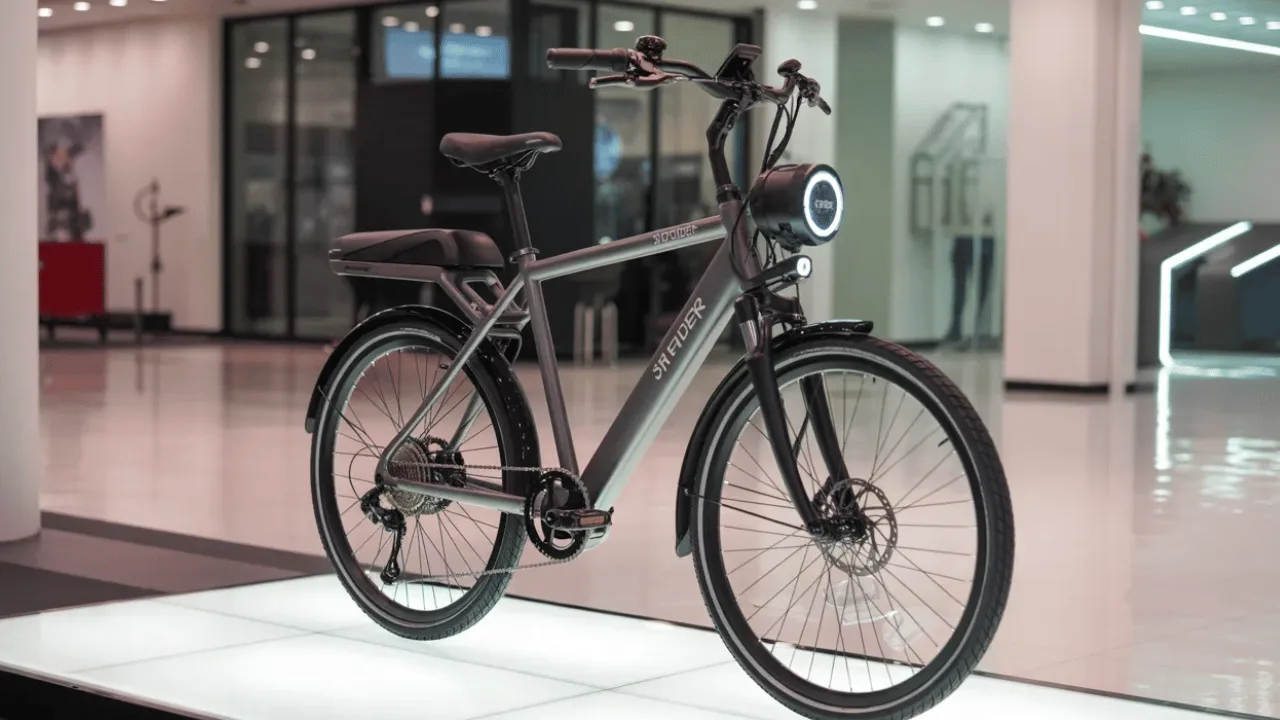
Electric mobility in India is no longer limited to high-speed scooters or premium electric bikes. In 2026, electric cycles are quietly becoming a practical solution for daily commuting, fitness, and short-distance travel. Among the names drawing attention this year is Stryder, which has positioned its 2026 electric cycle lineup for budget-conscious users looking for simplicity rather than flashy features.
The Stryder Electric Cycle 2026 focuses on affordability, usable range, and ease of ownership. Instead of competing with high-performance electric vehicles, it targets everyday riders who want an assisted cycling experience without high running costs or complicated technology.
A Practical Approach to Electric Cycling
The design philosophy behind the Stryder Electric Cycle 2026 is straightforward. It looks and feels like a regular bicycle but adds electric assistance to reduce physical strain. The frame design remains familiar, making it easier for new users to adapt without a learning curve.
This approach appeals especially to students, office commuters, delivery workers, and fitness-focused riders who want electric support only when required. The cycle can be used in pedal-assist mode, allowing riders to continue cycling while the motor supports uphill rides or longer distances.
The overall design avoids aggressive styling and instead focuses on balance, comfort, and usability on Indian roads.
Claimed 85 km Range for Daily Needs
One of the key highlights of the Stryder Electric Cycle 2026 is its claimed range of up to 85 kilometers on a single charge under optimal conditions. This range figure places it firmly in the daily-commute category rather than recreational use alone.
For most urban users, this distance is sufficient for multiple short trips across several days. Office commutes, local errands, and educational travel can be managed without the need for frequent charging.
The range is supported by pedal assistance, meaning riders who actively pedal can extend battery efficiency further. This aligns well with Indian riding habits, where users often combine manual effort with assisted power.
Battery Charging and Running Costs
Charging infrastructure remains a concern for many electric vehicle buyers. Stryder addresses this by keeping charging simple. The electric cycle can typically be charged using a standard household socket, removing the need for specialized installations.
Running costs are expected to stay minimal. Compared to petrol vehicles or even electric scooters, electric cycles consume significantly less electricity. This makes them suitable for users who want predictable monthly expenses.
Maintenance requirements are also closer to a conventional bicycle than a motor vehicle, which helps keep long-term ownership costs under control.
Low ₹1,199 EMI Draws Attention
Affordability plays a major role in the Stryder Electric Cycle 2026 strategy. Reports of a ₹1,199 monthly EMI option have attracted interest from first-time electric vehicle users.
While EMI structures depend on location, tenure, and financial partners, the availability of such low monthly payment options lowers the barrier to entry. This is particularly relevant for students and salaried professionals who may not want a large upfront investment.
It reflects a broader trend in India’s electric mobility space, where manufacturers are experimenting with financing models to widen adoption rather than focusing only on premium buyers.
Target Audience and Use Cases
The Stryder Electric Cycle 2026 appears designed for a wide audience. Urban commuters benefit from reduced travel fatigue. Fitness riders can use electric assistance selectively. Small business users and gig workers may find it useful for local deliveries without fuel expenses.
Importantly, it does not position itself as a replacement for motorcycles or scooters. Instead, it fills a gap between traditional bicycles and electric two-wheelers, offering flexibility without complexity.
Position in India’s Electric Mobility Landscape
Electric cycles remain a smaller segment compared to scooters and motorcycles, but interest is growing steadily. Rising fuel prices, traffic congestion, and awareness of fitness and sustainability are contributing factors.
By focusing on practicality rather than performance claims, Stryder’s 2026 electric cycle offering reflects how this segment is evolving. It emphasizes everyday usability over speed, making it relevant for Indian road and traffic conditions.
What to Expect Going Forward
As electric mobility policies continue to evolve in India, electric cycles may gain further support through urban planning and last-mile connectivity initiatives. Products like the Stryder Electric Cycle 2026 show how manufacturers are adapting to these shifts by offering affordable, low-maintenance alternatives.
For buyers exploring electric options beyond scooters, this category deserves closer attention in 2026.
Frequently Asked Questions (FAQs)
Yes, it is designed for short to medium daily commutes and offers pedal assistance to reduce physical strain.
Yes, it can be used like a normal bicycle even if the battery is low or switched off.
Charging time varies by model, but it typically charges using a standard household socket within a few hours.
Actual range depends on rider weight, terrain, riding mode, and pedal usage. The claimed range reflects ideal conditions.
Users focused on fitness, short-distance travel, and low running costs may find electric cycles more suitable than scooters.