EMotorad Electric Cycles 2026 Gain Popularity in Cities
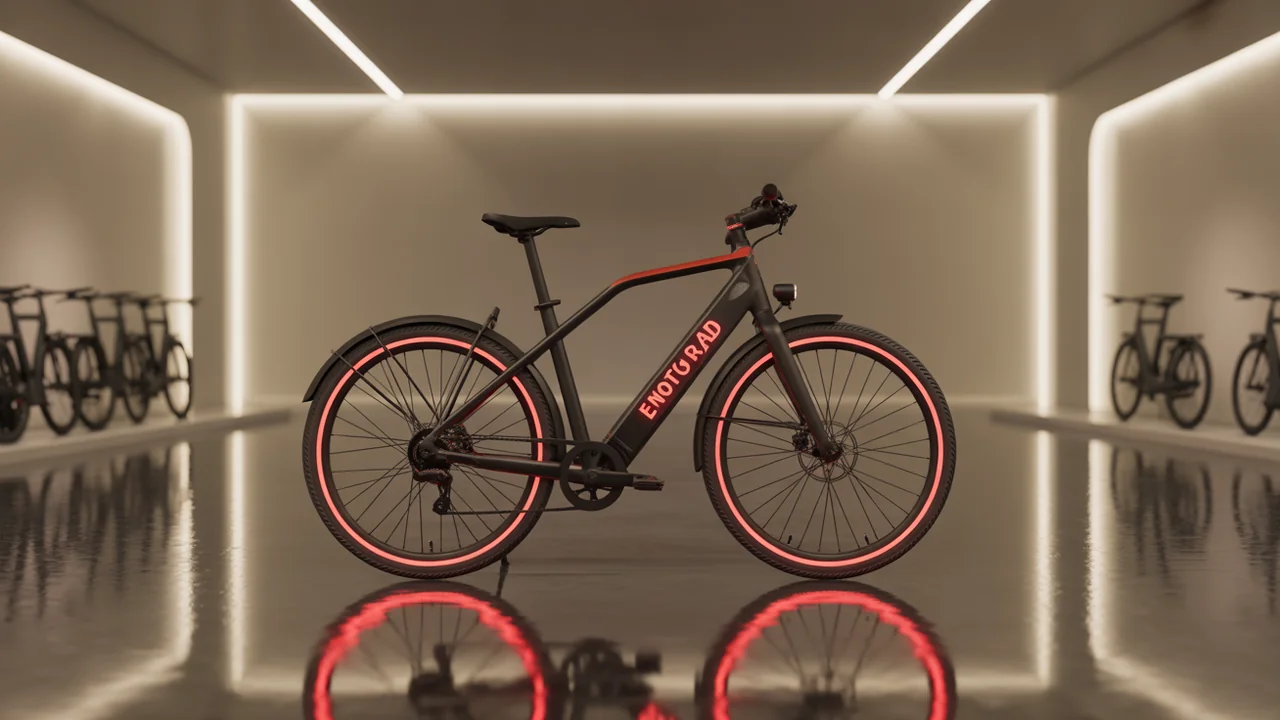
EMotorad’s 2026 lineup of electric cycles is seeing increased interest across major cities, as commuters and delivery riders look for practical alternatives to cars and conventional two-wheelers.
Retailers and service partners in urban areas report higher showroom footfall and test-ride requests, with demand strongest among users seeking predictable daily travel costs and easier parking.
120 km Assisted Range Cited as Key Factor
A frequently highlighted feature is an assisted range of up to 120 km, which users and sellers say is helping reduce “range anxiety” for longer commutes and multi-stop trips.
Industry observers note that real-world performance typically depends on rider weight, route elevation, assist level, tyre pressure, and traffic conditions. Even so, the higher stated range is being treated as a confidence booster by many first-time buyers.
Urban Use Cases Drive Adoption
City riders are increasingly using e-cycles for mixed commutes that combine public transport, short office runs, and errands. Some housing societies and office parks are also adding more bicycle parking, indirectly supporting adoption.
Last-mile delivery and gig workers are another visible segment, as an electric assist system can reduce fatigue over long shifts while keeping operating costs comparatively low.
Cost and Convenience Shape Buyer Decisions
Buyers cite lower day-to-day running expenses compared with fuel-based vehicles, along with reduced maintenance needs relative to many motorised options. Users also point to convenience in congested areas, where smaller vehicles can make trips more time-efficient.
However, potential customers continue to evaluate charging access at home or work, battery replacement costs over time, and local service availability before purchasing.
Competition Intensifies in the E-Cycle Segment
The urban e-cycle market is becoming more crowded, with multiple brands offering similar categories aimed at commuting and utility riding. Dealers say comparisons increasingly focus on battery capacity, after-sales service, warranty terms, and ride comfort rather than top speed alone.
As more riders adopt electric cycles for routine travel, analysts expect manufacturers to compete on reliability, service networks, and features tailored to city conditions.
FAQs
What does “120 km assisted range” mean?
It refers to the approximate distance the cycle can support with electric assistance on a charge, depending on conditions and assist settings.
Is the full 120 km range achievable in everyday city riding?
Range can vary widely with traffic, terrain, rider weight, and assist level, so real-world results may be lower or higher than a stated figure.
Who is buying EMotorad’s 2026 electric cycles in cities?
Common buyers include daily commuters, students, and delivery riders seeking lower operating costs and easier urban mobility.
What factors should buyers check before purchasing an e-cycle?
Charging access, after-sales support, warranty coverage, battery replacement pricing, and comfort for the intended route are among the most cited considerations.